
11 Dec St. Amant Winery
St. Amant
1 Winemaster Way, Bldg. I Lodi, CA 95240
stamantwine.com
Region: Lodi
Owner: Barbara Spencer
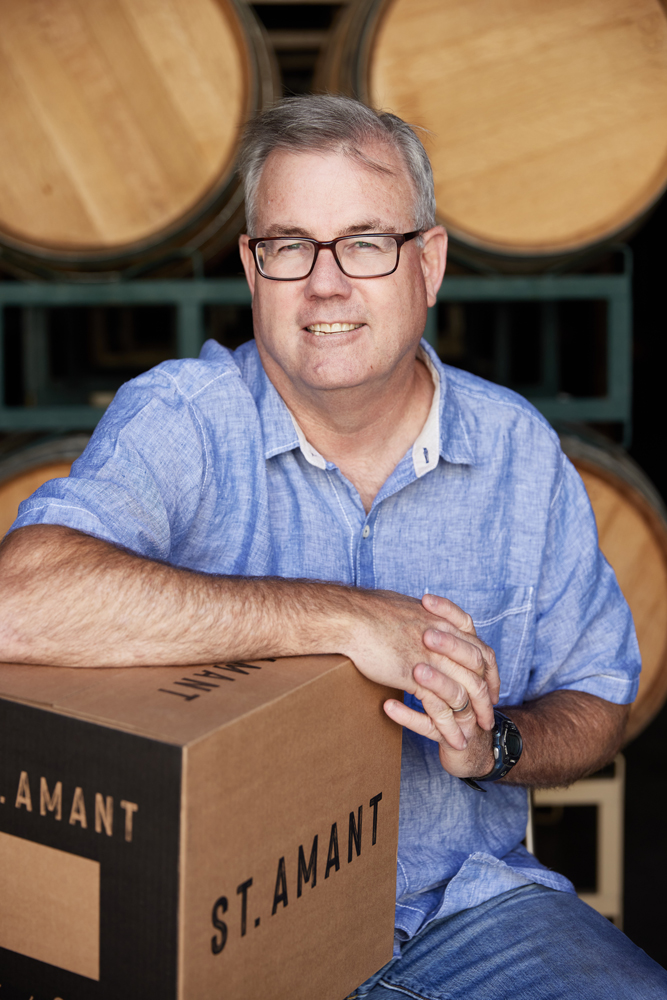
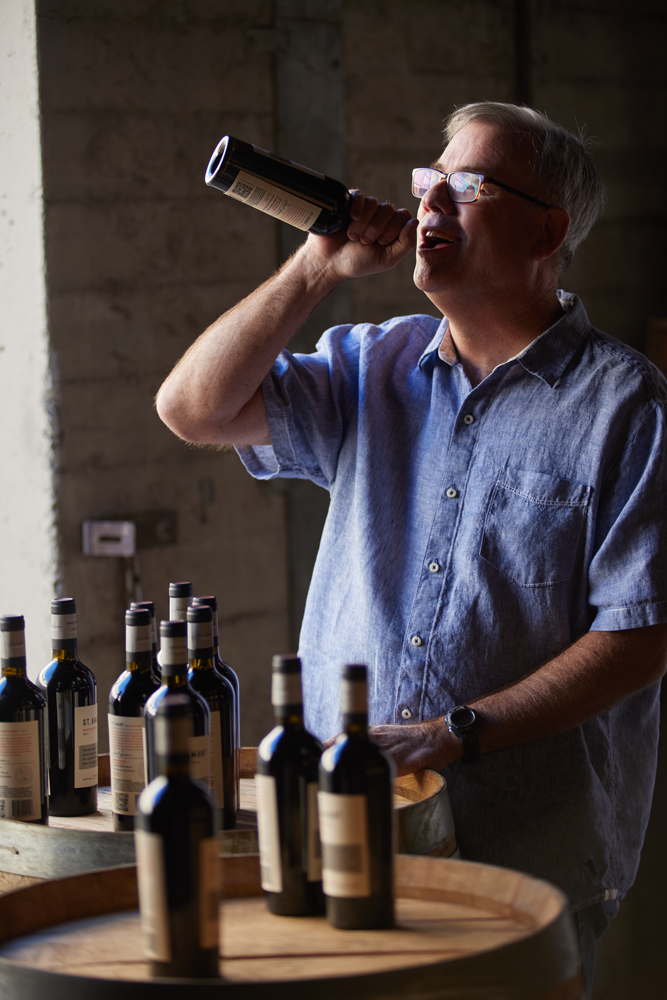
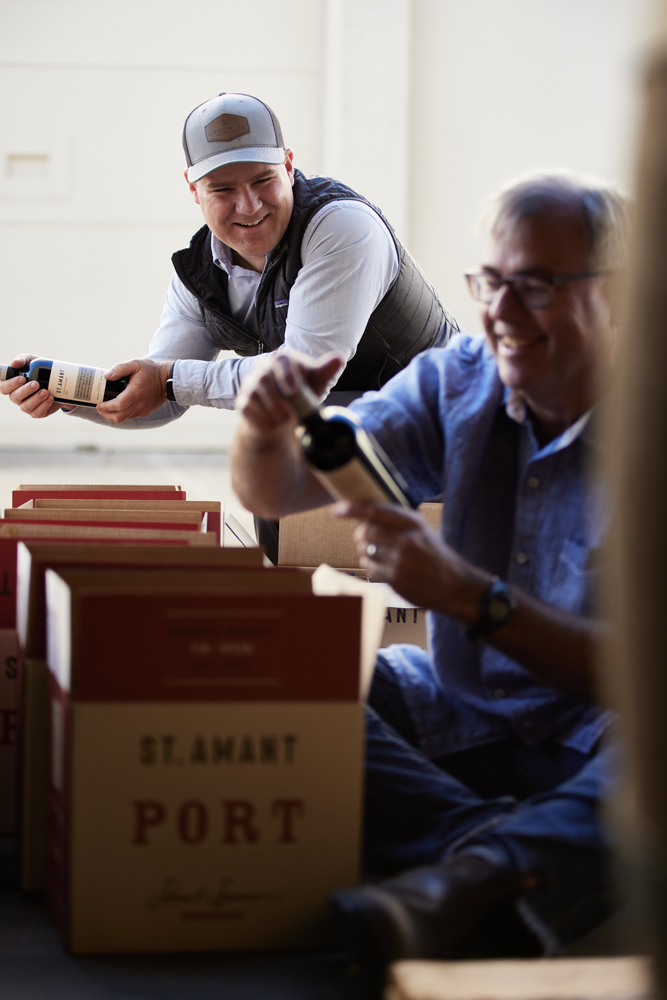
Winemaker: Stuart Spencer
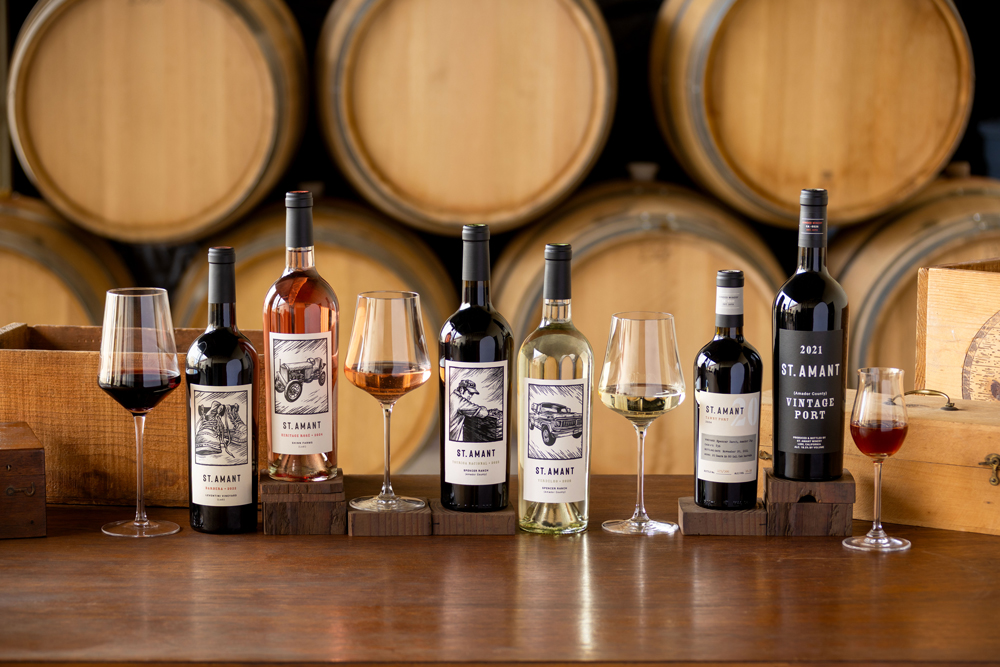
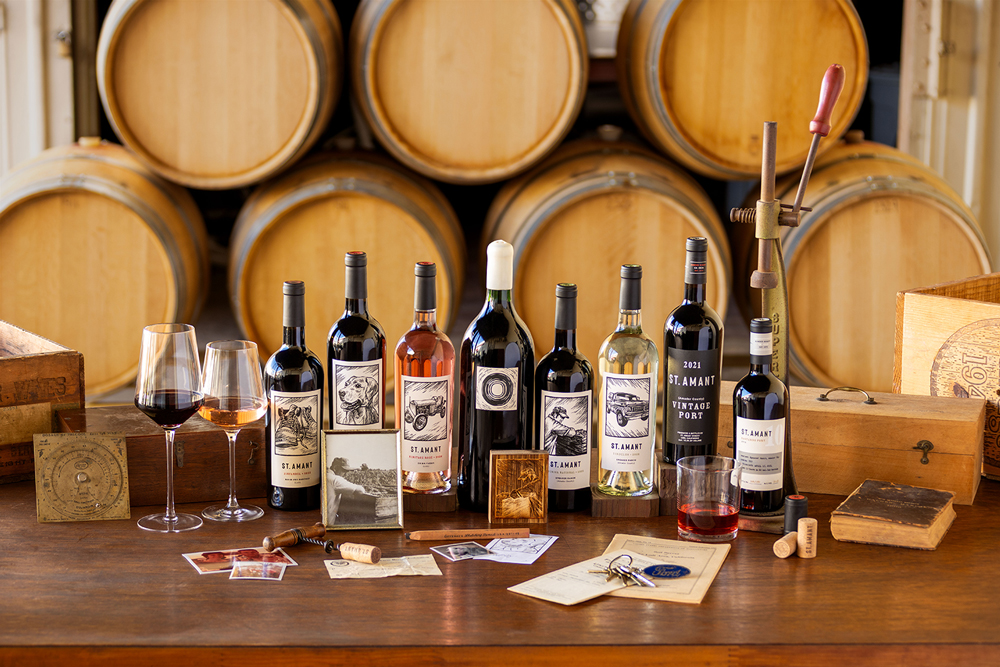
About: Tim Spencer was a rebel, a troublemaker, an outside-of-the-box thinker. Tim went left when everyone else went right. In the 1970’s, when California was just falling in love with Chardonnay and Cabernet, he planted Touriga Nacional, Tinta Cao, Bastardo and other Portuguese varieties. His Vision was simple: Grow world-class port-styled wines in his Amador County vineyard. The first harvest was sold to an equally passionate winemaker that failed to pay for the grapes. Tim, undeterred, took matters into his own hands, and bootlegged several hundred gallons of freshly fermenting wine. He concluded he was quite capable of going broke himself and didn’t need anyone else’s help. That was 1981, and that wine became his very first vintage port. And St. Amant Winery was born! Over the next two decades, Tim became a leading expert, expanding the St. Amant line-up to include dry table wines, white ports, and tawny ports all from traditional Portuguese varieties. When we moved our winery to Lodi in 1996, our own vineyard was dying of phylloxera, leaving us with no grapes. Tim struck an arrangement with the Lodi Winegrape Commission: if growers brought us two tons of grapes, we’d make the wine and give them 25 cases, keeping the rest. At the time, Lodi had only a handful of wineries, and most of its grapes went to large producers with no interest in showcasing Lodi. We discovered many of the forgotten grapes of early California viticulture. From Barbera to Alicante Bouschet, and 30 years later we continue to produce wines from these Heritage Varieties.
What is your favorite undiscovered grape? When asked about his favorite wine, my father liked to joke that his wines were like children. He always had a favorite, which one just depended on the day. In all seriousness though, I would say Bastardo (Trousseau). Bastardo is an obscure, and aptly named, thin-skinned Portuguese variety with tight clusters, uneven ripening, quick to rot and a real bastard to grow. A variety few farmers would choose to plant, but my dad did, believing his best ports always had a touch of Bastardo. Equally crazy, foolish, or rebellious, after taking over the winemaking in 2006, I doubled down on Bastardo, tripling our planted acres.
What was your first experience with an undiscovered grape? When my father first planted our vineyard in 1972, he planted 2 acres of an obscure white grape. A grape so obscure that no one had reported planting the variety in Amador County, and it accounted for only 0.7% of the acreage in California. The grape: Sauvignon Blanc.
In the 80’s Sauvignon Blanc plantings soared and my father, always fond of the road less traveled, eventually grafted these vines over to 5 Port varieties which went on to form the backbone of our early work with Iberian varieties.
These early experiences with undiscovered grapes shaped our winemaking philosophy. There is no safety and security when working with the unknown and obscure. No dominant or expected style to ape, and no benchmarks to guide you. Of the 20 or so table wines we produce each year, I think each is remarkably distinct. Our guiding philosophy is not to make wines in a particular style, but to listen to the vineyard, the season and the variety and craft compelling versions of each obscure grape.
What do you love most about the undiscovered grapes? 50 years ago, before today’s bearded beanie-wearing hipster winemakers were even a glimmer in their boomer mom’s eyes, my father chose a different path in California viticulture. His road was not defined by his outfit, or schooling, but by his innate curiosity, entrepreneurial spirit, and love of farming. My dad had a simple vision: To grow world-class port-styled wines in his Amador County vineyard. This was not something he stumbled upon by accident, but an intentional effort of purpose. Some would call him crazy, others foolish, but he rarely cared what other’s thought and instead chose his own path. Today forgotten grapes are at the heart of our winery. We produce wines from obscure Iberian varieties alongside a collection of forgotten Heritage varieties from California’s winemaking past. Some would call us crazy, others foolish, but we have rarely cared what other thought. We have never chased trends or produced wines to please consumers. We produce wines that tell a story.