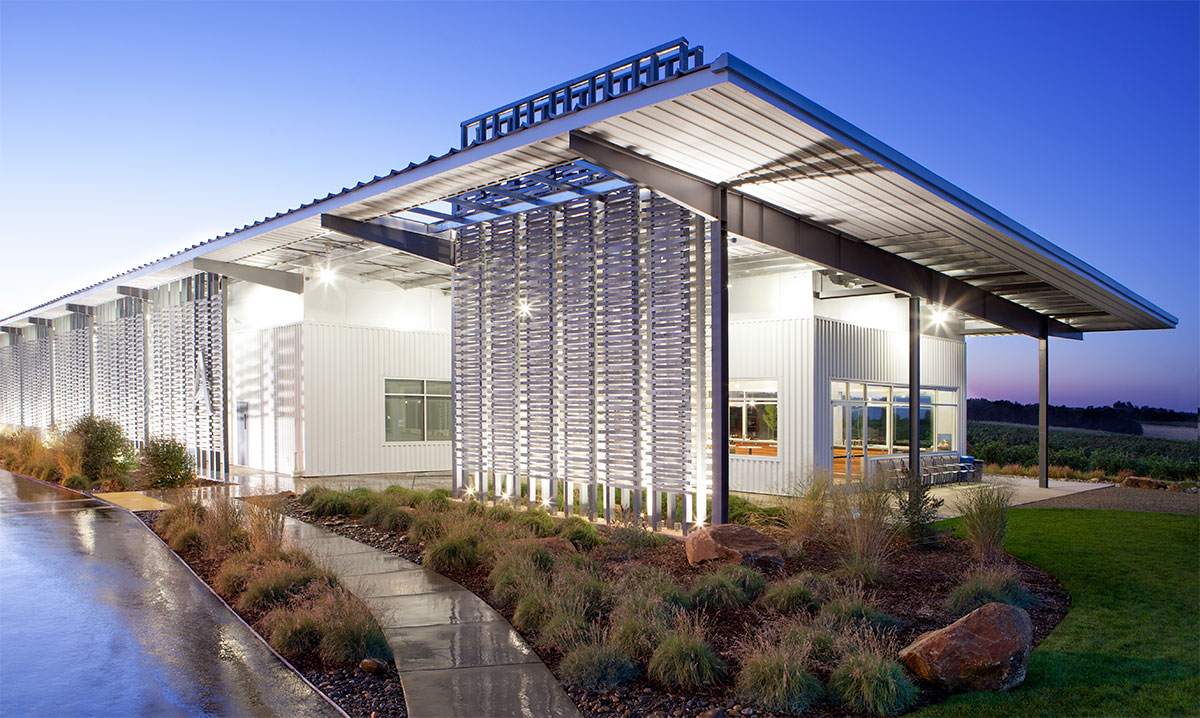
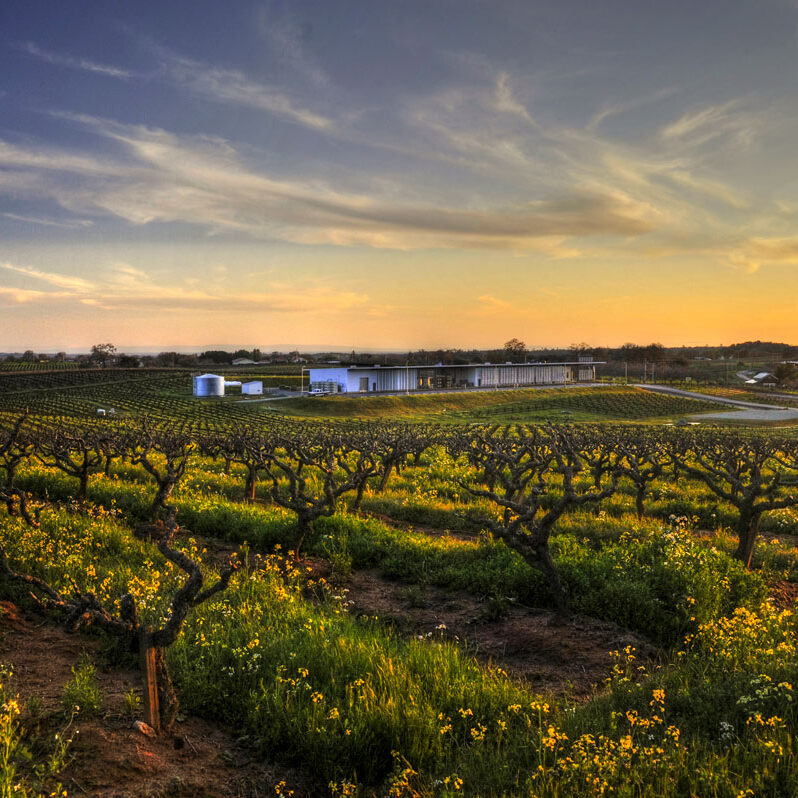
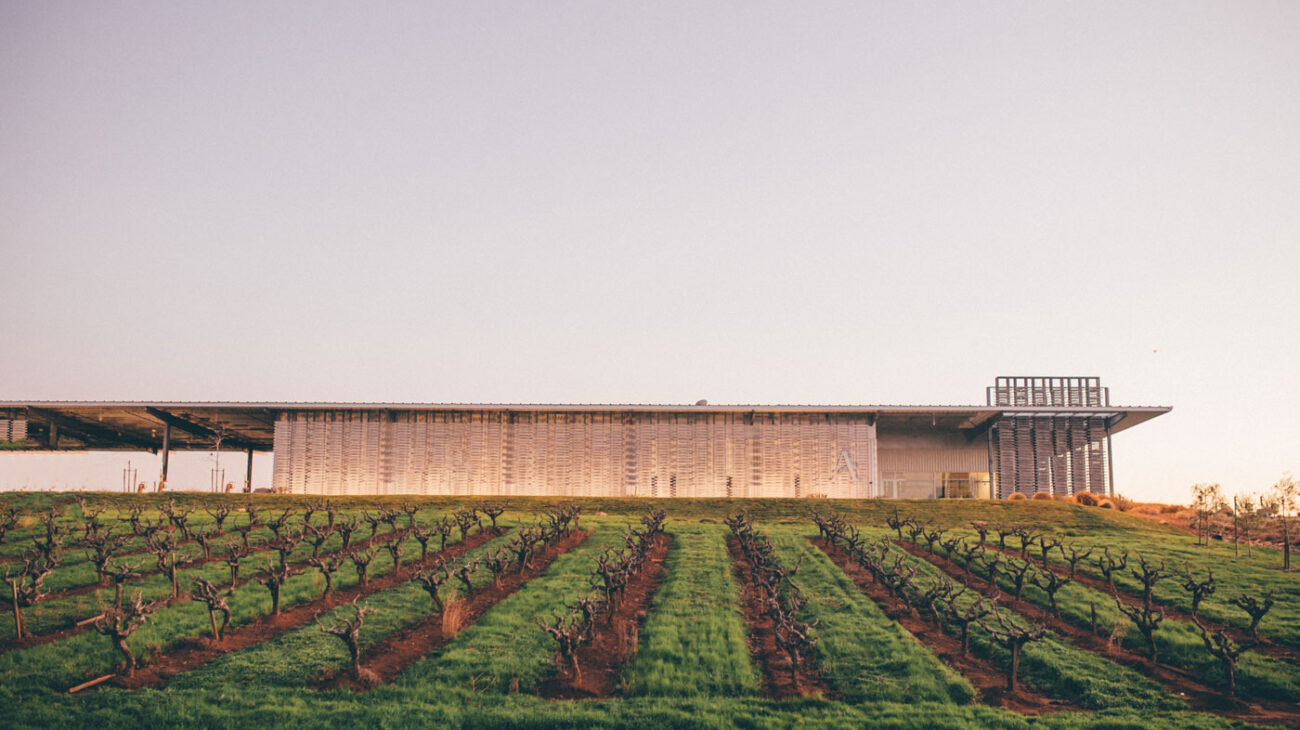
18921 Atkins Road, Lodi, CA 95240
bokischvineyards.com
Region: Lodi
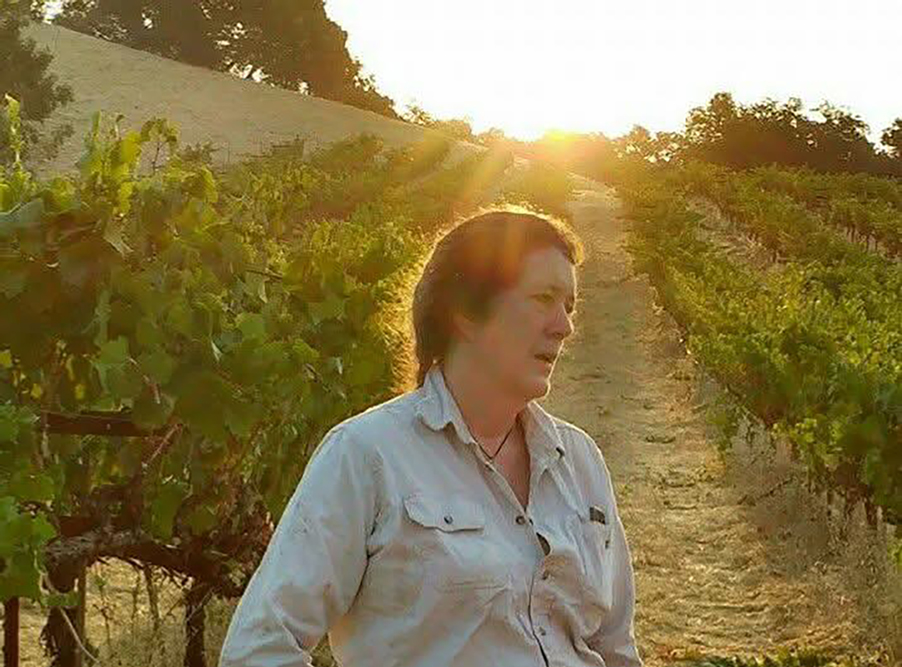
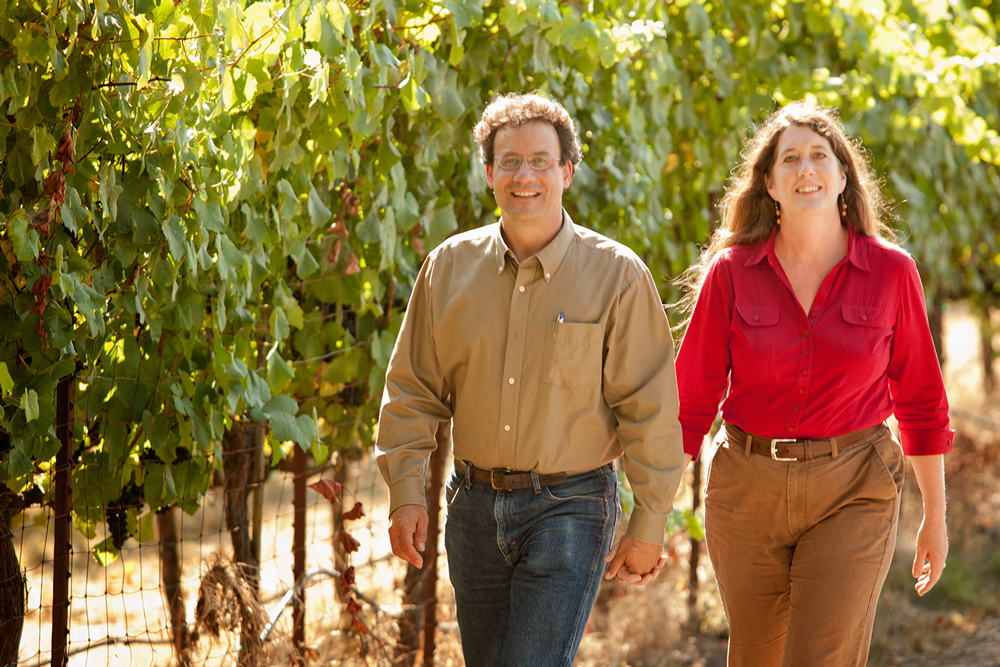
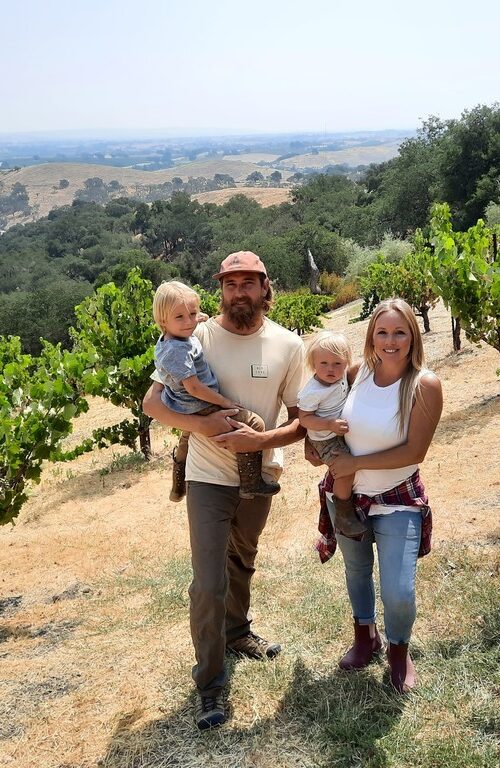
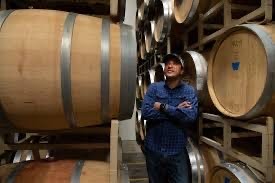
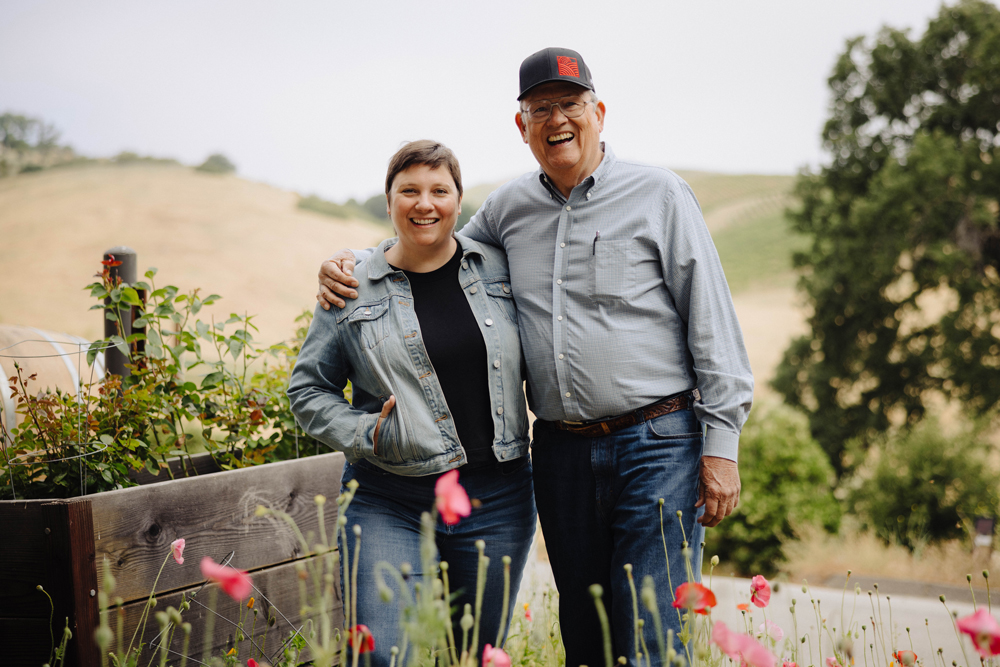
Owners: Markus & Liz Bokisch
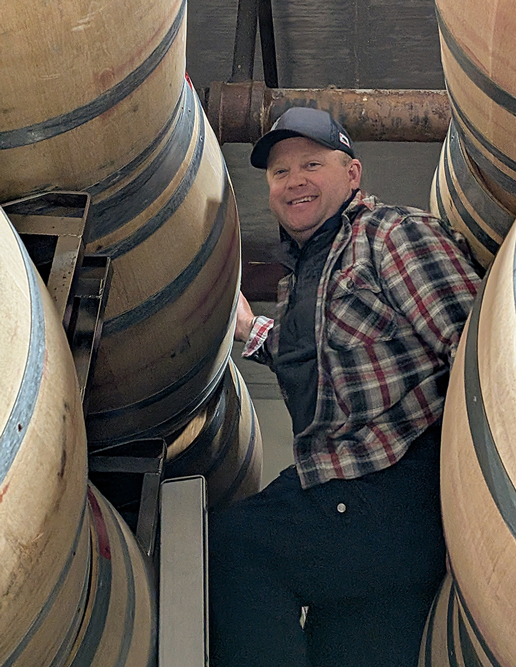
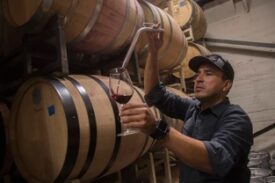
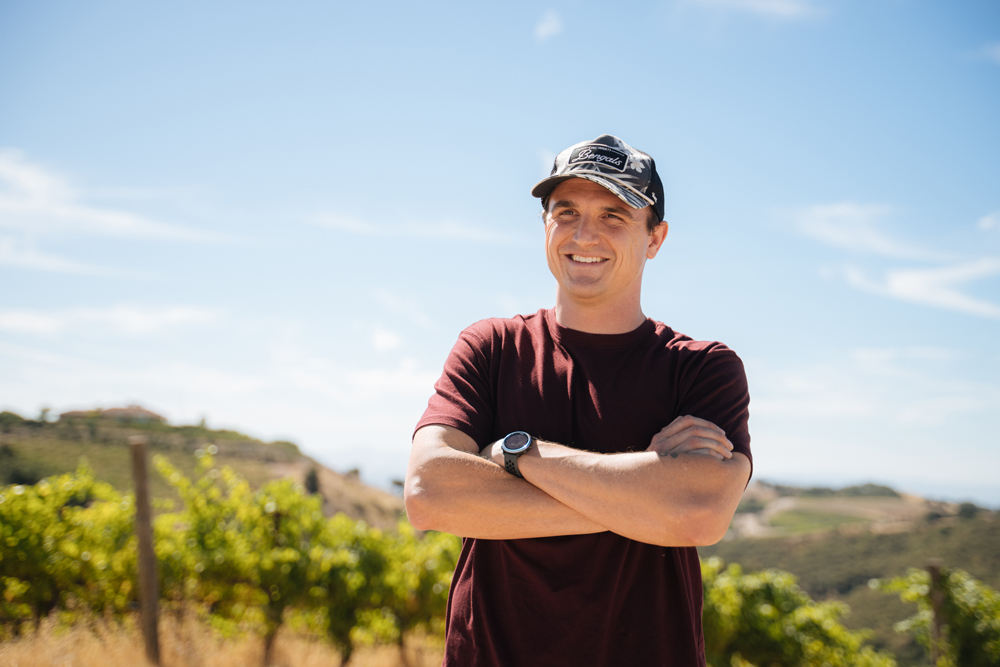
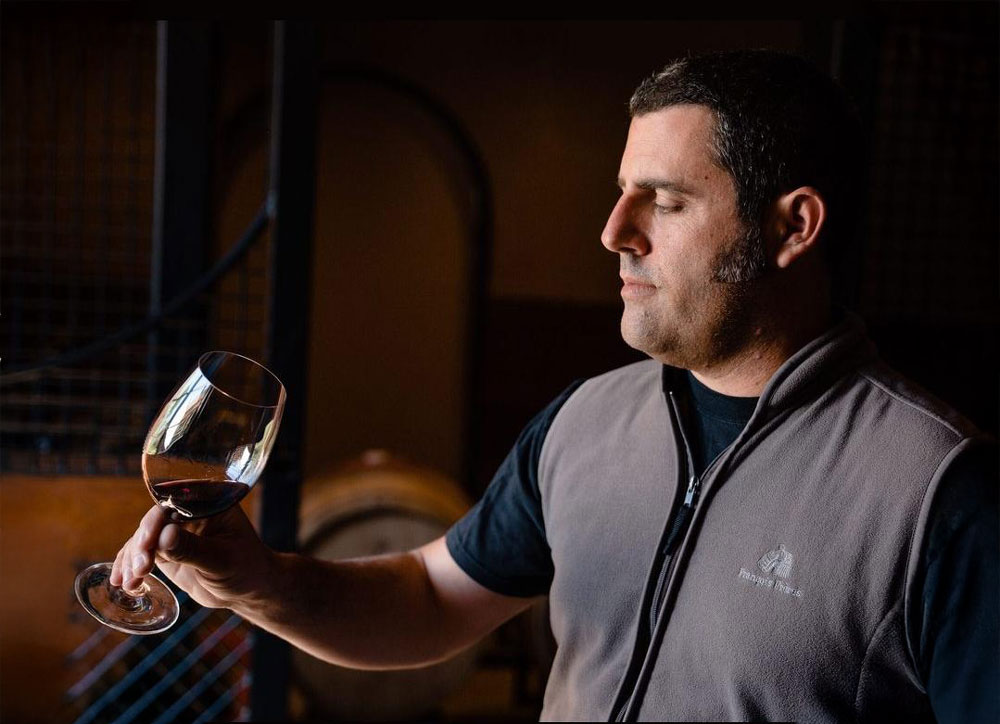
Winemaker: Markus Bokisch
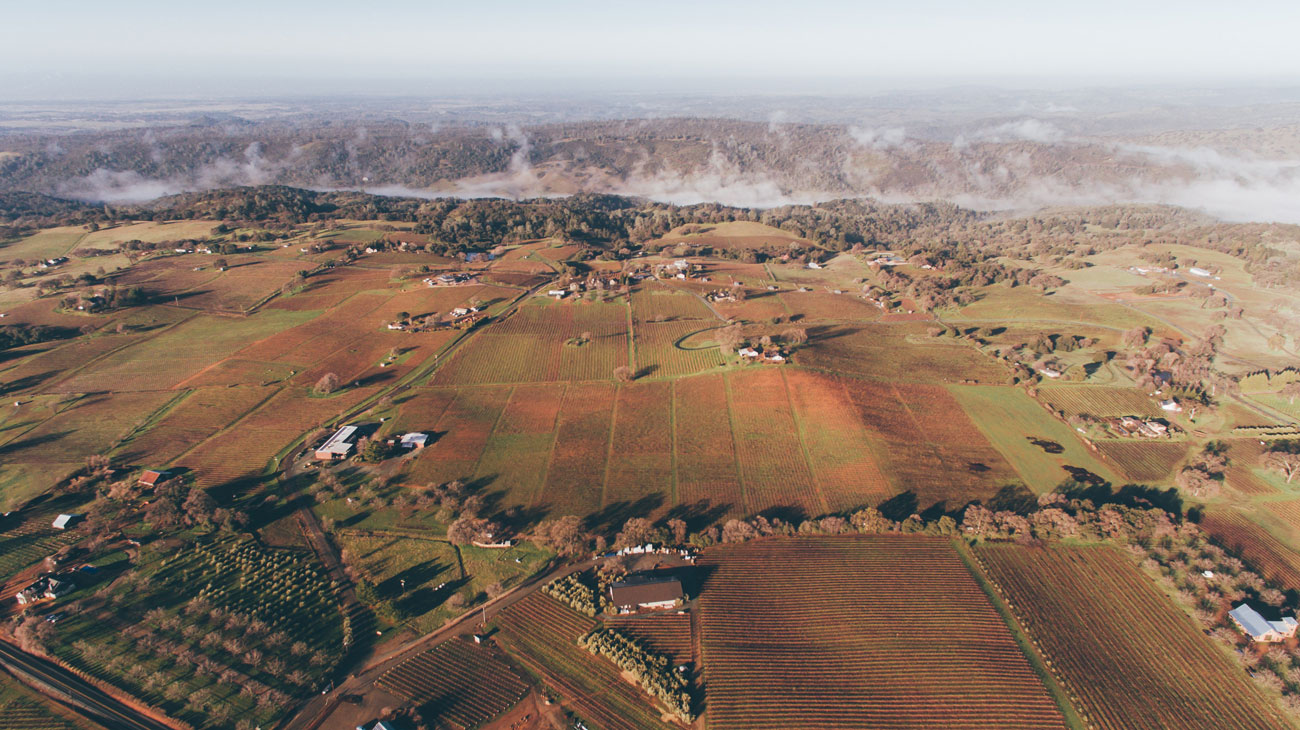
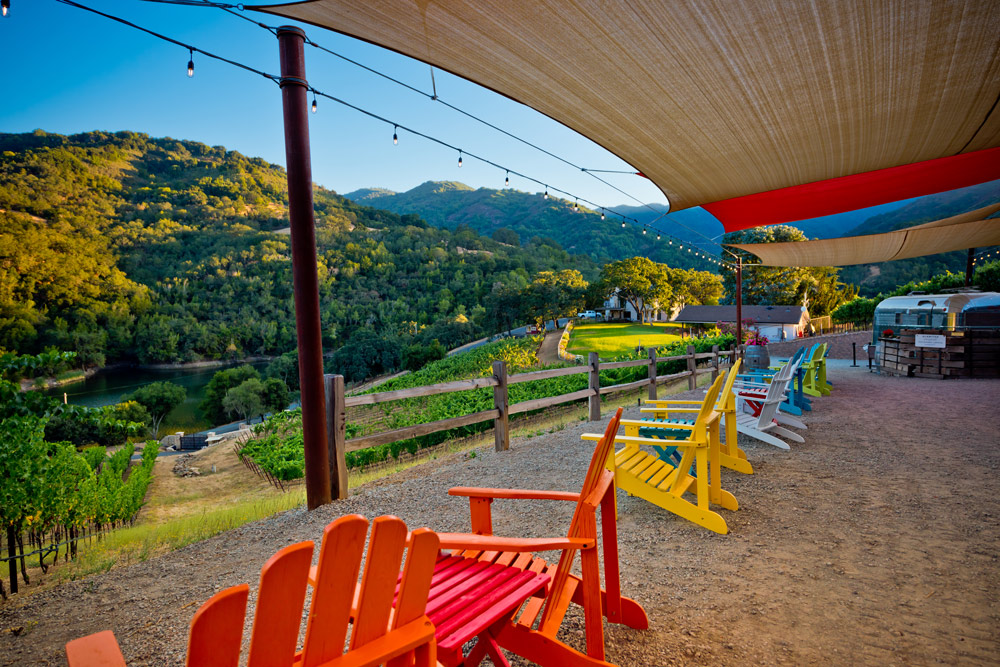
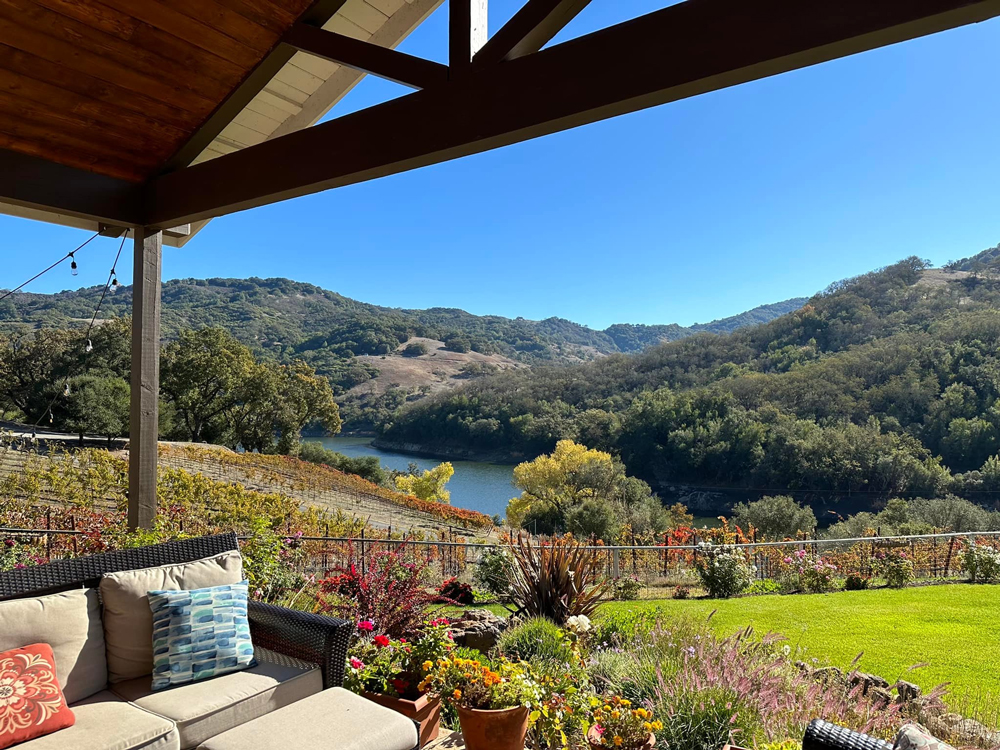
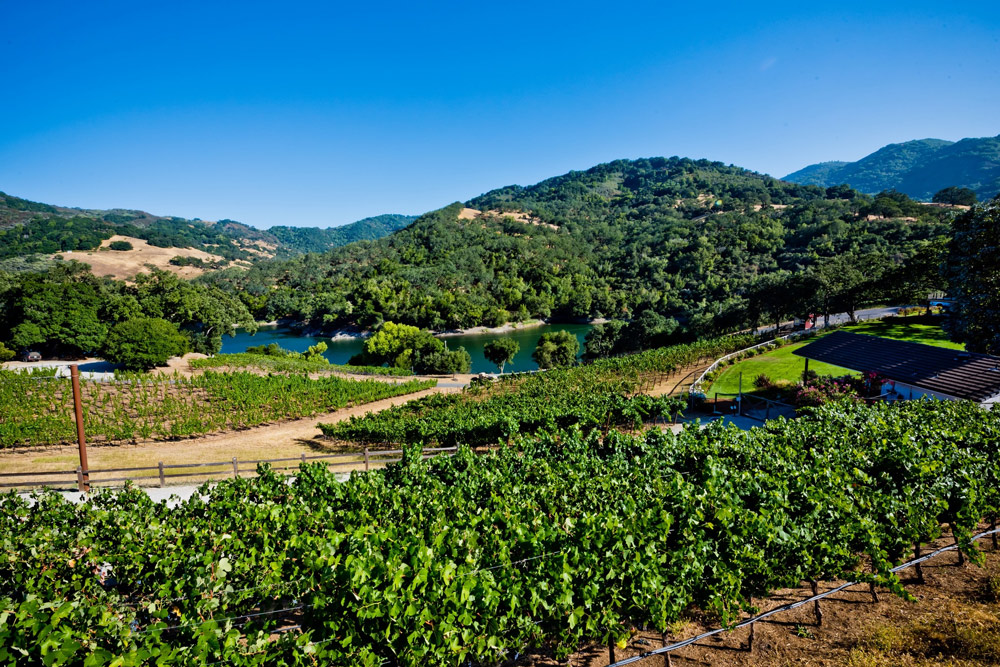
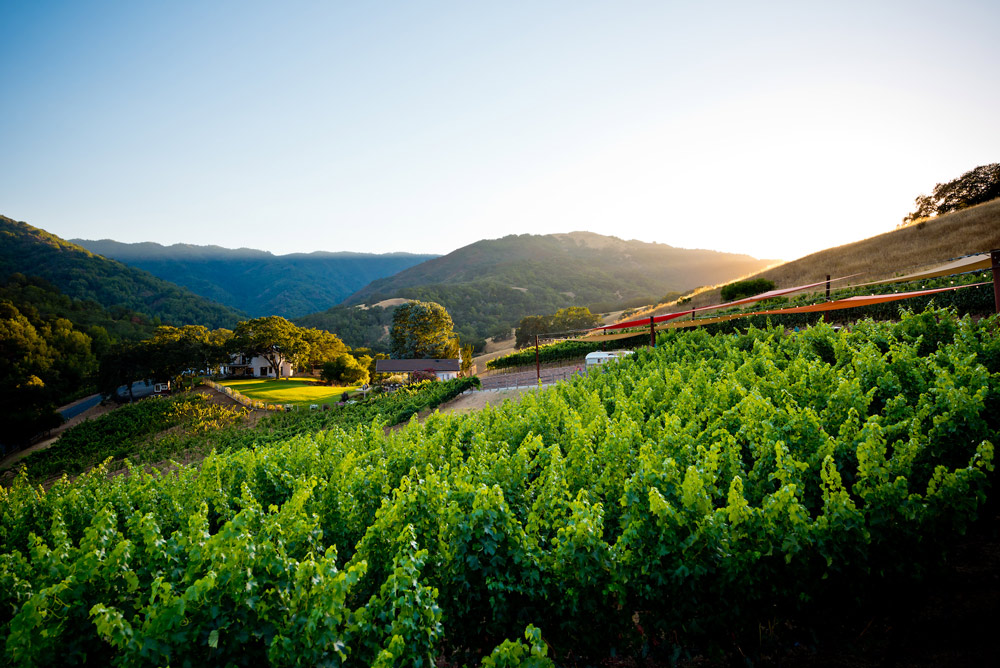
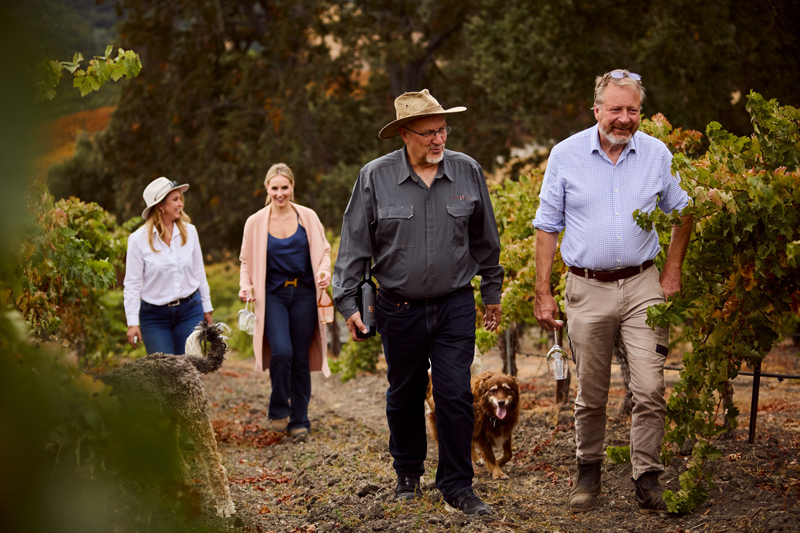
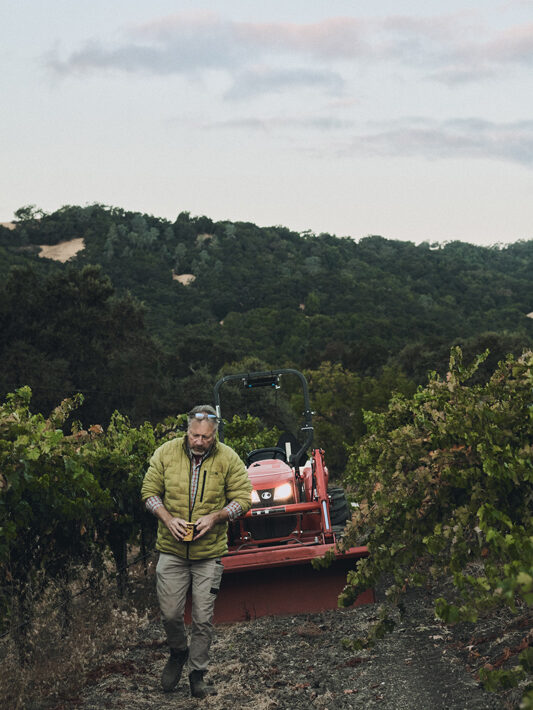
About: Markus and Liz Bokisch have been producing award-winning Spanish varietals since the early 2000s, inspired by their Spanish heritage and love for the country’s wines. They founded Bokisch Vineyards in the Clements Hills of the Lodi, where they specialize in Spanish varietal wines.
The couple met at UC Davis and moved to Spain in 1992 where Markus worked in the renowned Cava-producing town of Sant Sadurní d’Anoia, while Liz taught English classes. Their love for Spanish food and wine inspired them to produce domestic Spanish varieties upon their return to California.
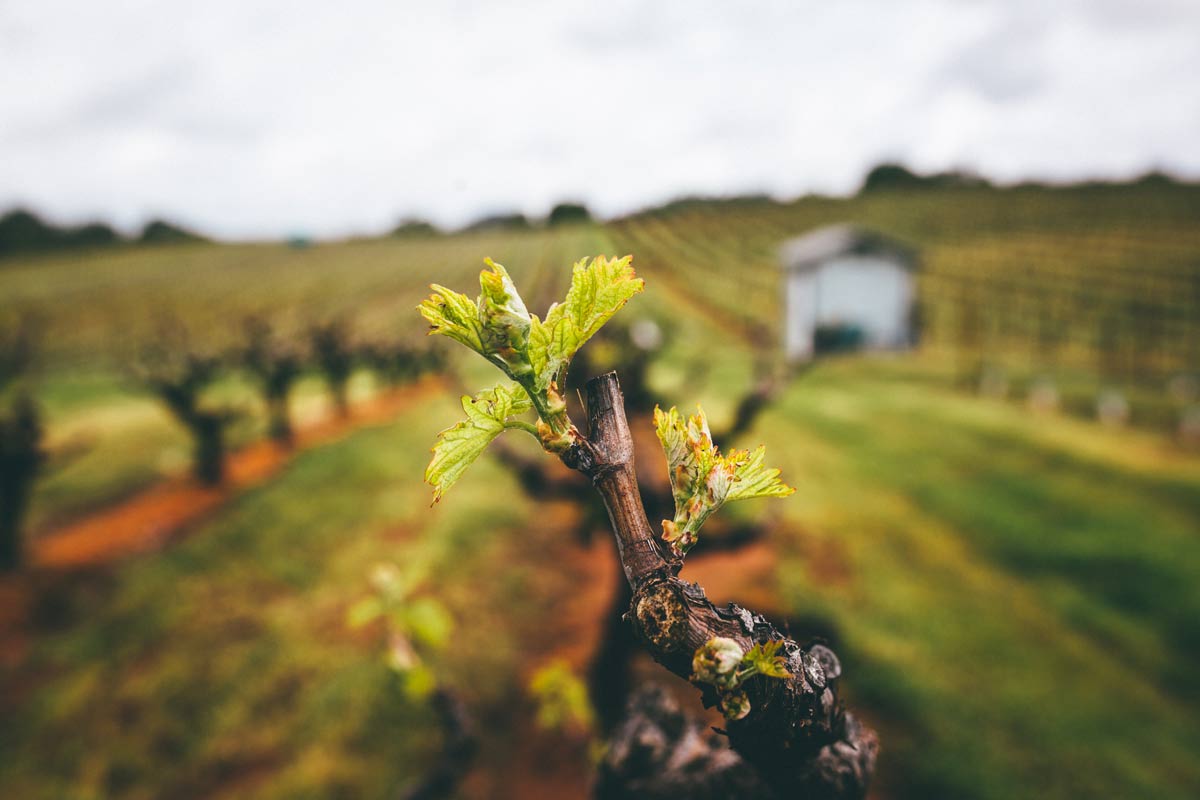
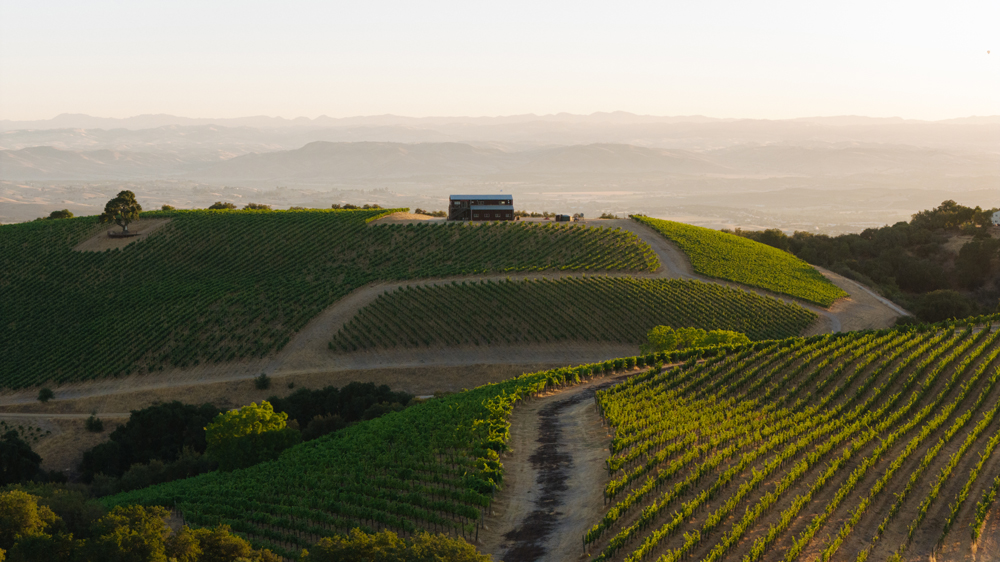
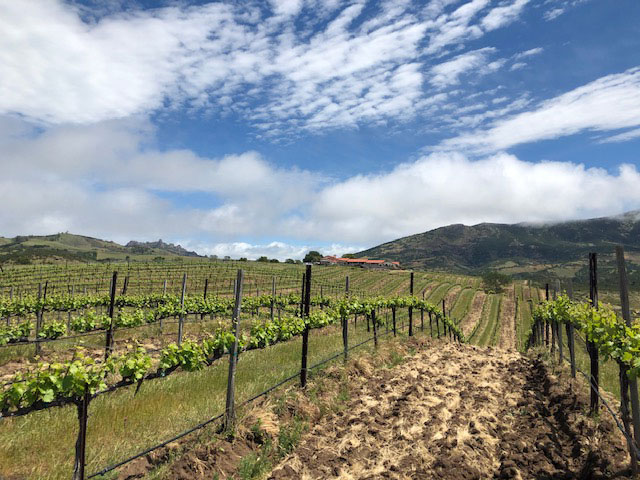
In 1995, they purchased their Terra Alta Vineyards property in the Clements Hills and imported budwood from select Spanish vineyards in 1998. They planted Las Cerezas Vineyard with Albariño, Tempranillo, and Graciano, each occupying one acre.
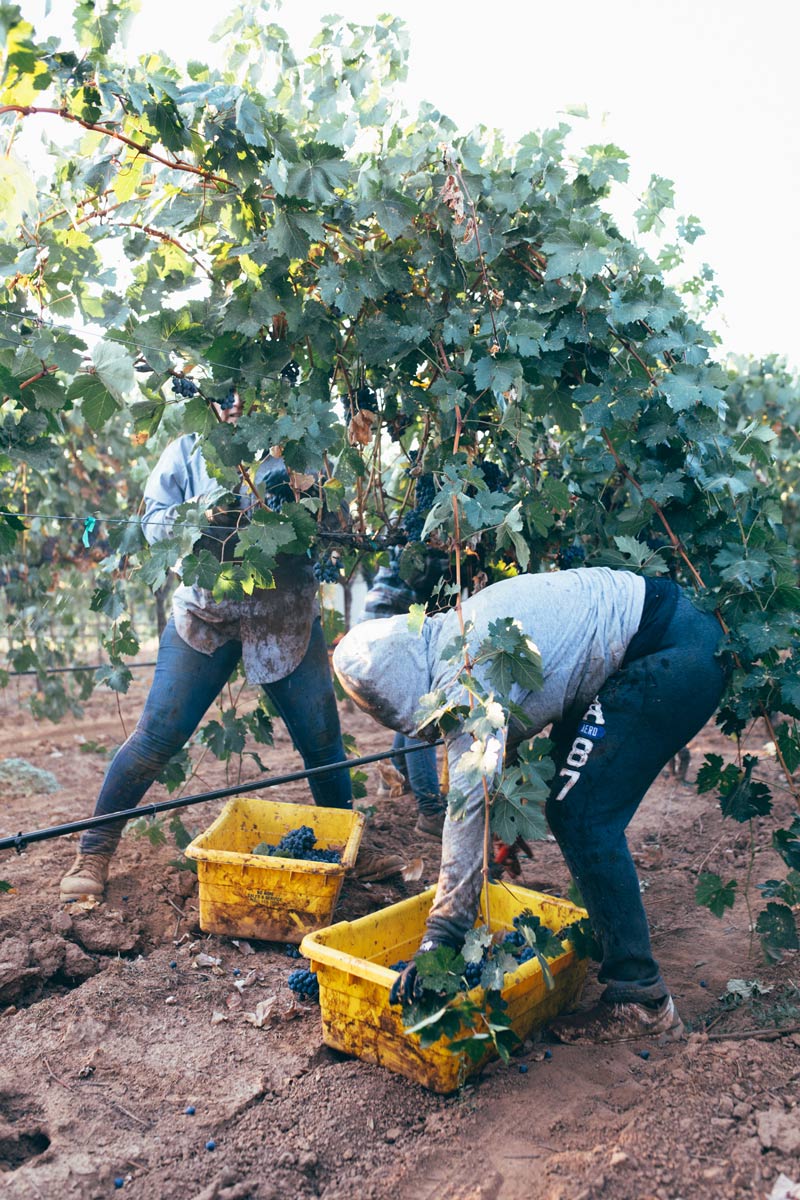
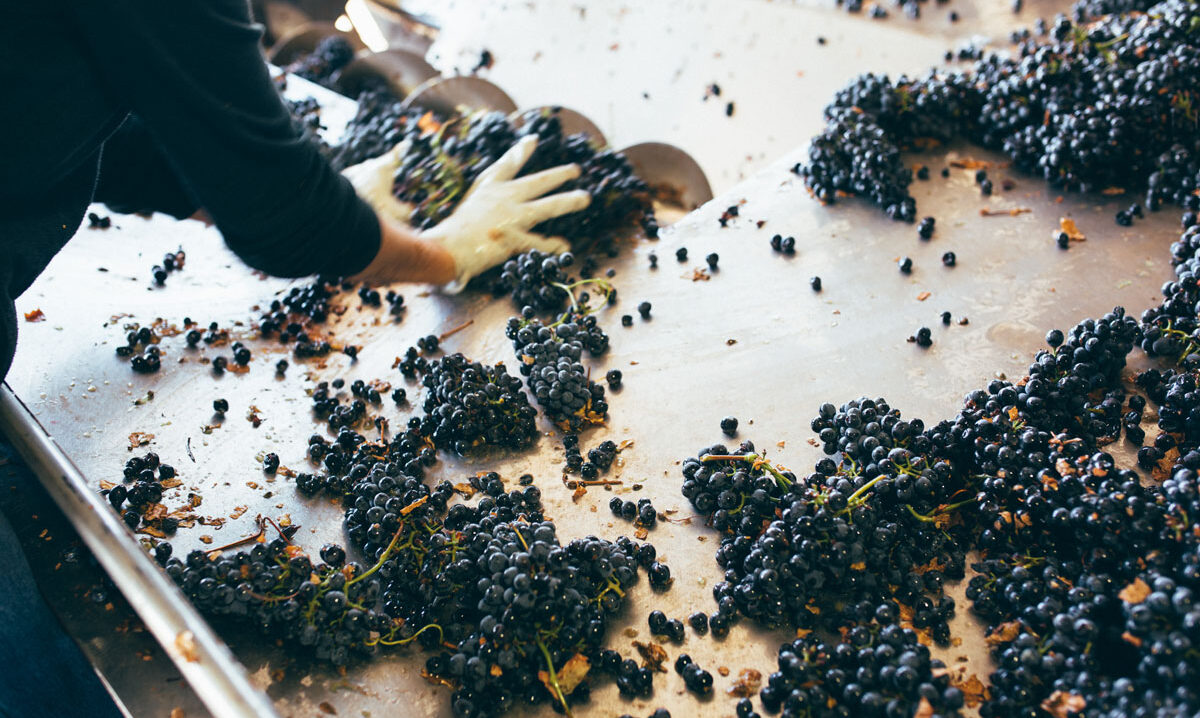
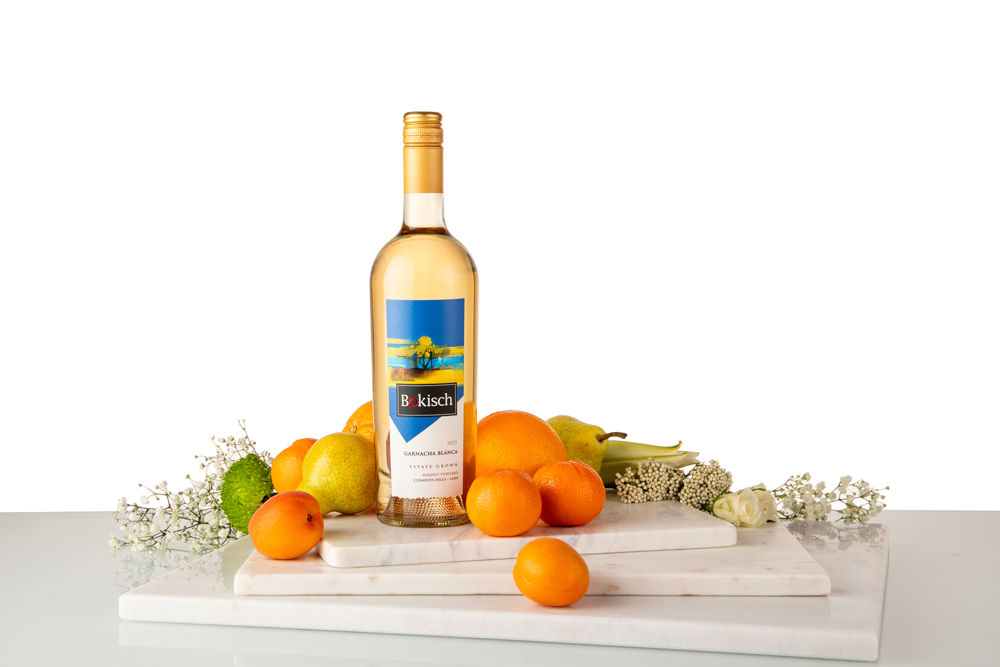
In 2000, they began making wine from their estate-grown, organically farmed fruit. Bokisch Vineyards now produces nine Spanish varietals, including Garnacha Blanca, Verdejo, Garnacha, and Monastrell.
In 2012, they launched the Tizona label to experiment with unique French varieties, featuring Malbec, Picpoul Blanc, Petit Verdot, and Syrah among others.
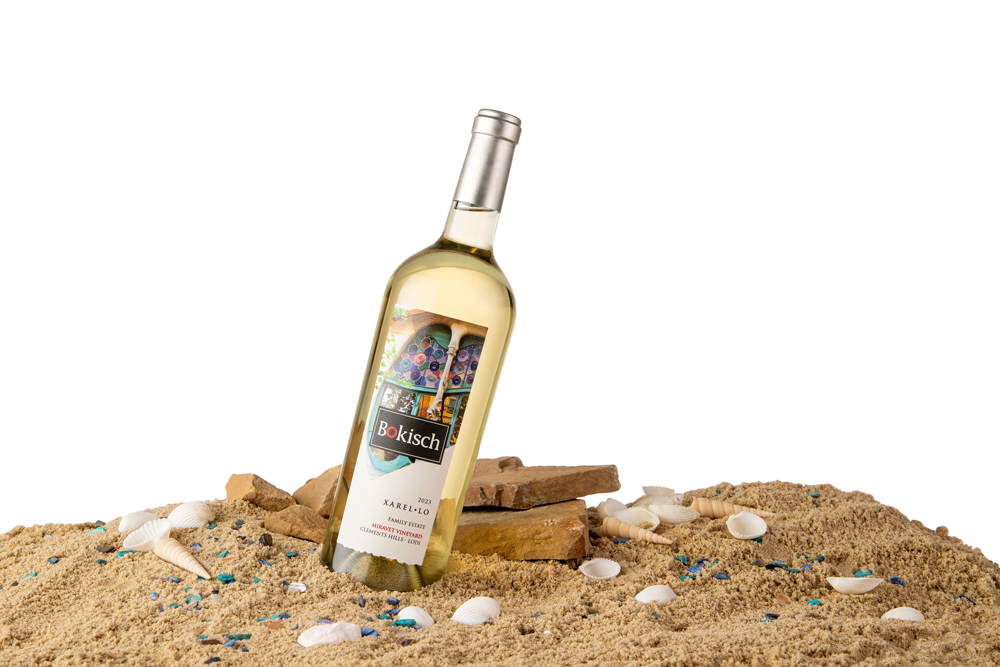
Bokisch Vineyards is thriving as Markus and Liz champion Spanish grape varieties grown in California. They are pioneers, being among the first to produce a Gran Reserva Tempranillo and to cultivate and vinify the Catalan varieties Xarel·lo, Macabeo, and Parellada. Excitingly, they are preparing for the release of their first Cava, the traditional Catalan sparkling wine, in early 2025.
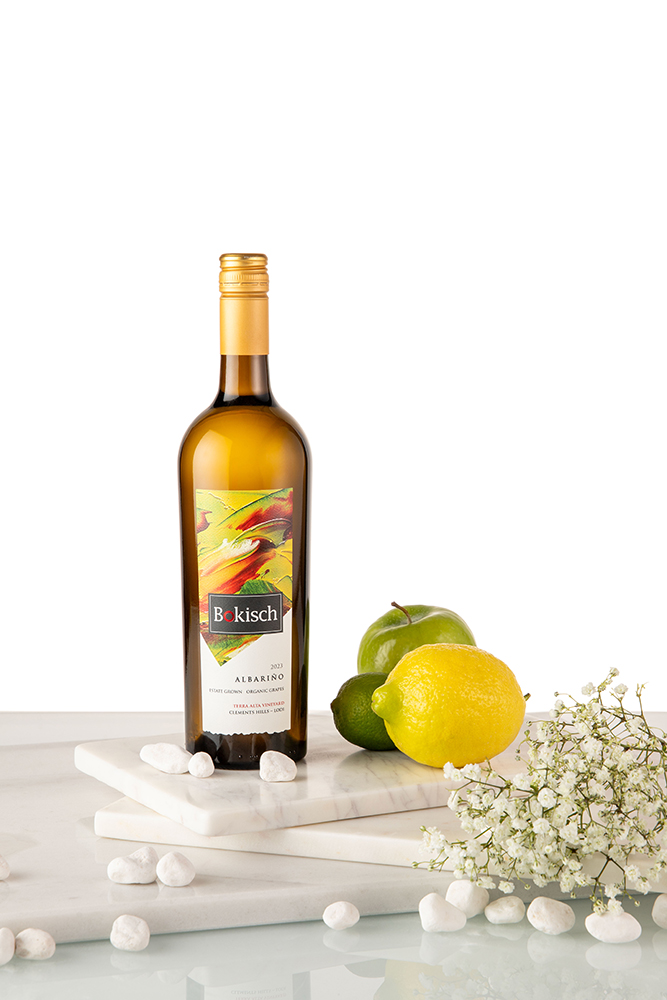
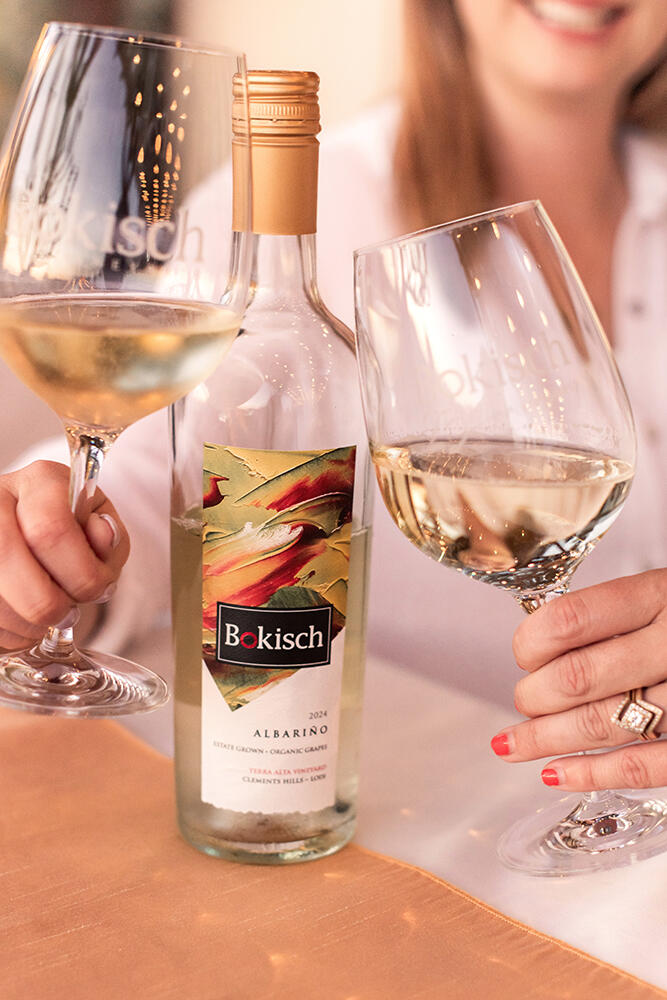
What is your favorite undiscovered grape? Albariño. If there’s one grape that truly defines who we are, it’s Albariño. When we first planted it here in Lodi nearly three decades ago, very few people in California had ever even heard of it. Markus’ childhood summers in Spain, surrounded by the wines of Galicia and Catalonia, inspired us to bring this remarkable grape across the Atlantic and give it a new home in the Clements Hills. Albariño felt like a risk at the time—unproven in California and completely “undiscovered” by the market—but we knew it had the potential to thrive. Lodi’s warm days, cool evenings, and diverse soils give Albariño everything it needs to shine. Today, those early plantings have become the foundation for nearly every Albariño vineyard in the United States. What we love most about Albariño is its versatility and vibrancy. At Terra Alta Vineyard, it bursts with citrus blossoms, crisp green apple, and a refreshing minerality from the volcanic soils. At Las Cerezas Vineyard, its character softens into aromas of orange peel, tropical florals, and a touch of creaminess thanks to sandy loam soils and partial oak aging. Each block tells a different story, and together they show the incredible range of this grape. Over the years, we’ve refined our style—moving from bold, tropical expressions to a fresher, more acid-driven profile that highlights Albariño’s natural elegance. It’s crisp, aromatic, and endlessly food-friendly—perfect for seafood, paella, or simply a warm summer afternoon on the patio. For us, it’s not just a wine, it’s a reflection of our Spanish heritage and our commitment to bringing unique, soulful wines to California. Albariño may have once been “undiscovered,” but today it’s become our signature. It represents our past, our pioneering spirit, and our future—all in one glass.
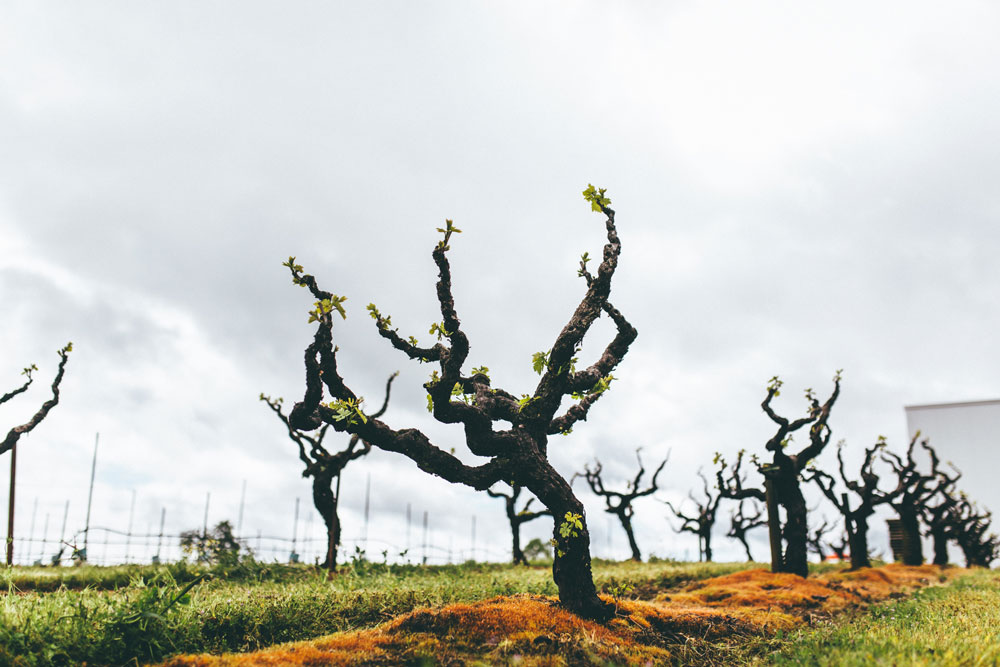
What was your first experience with an undiscovered grape? Discovering Old Vine Carignane. One of our favorite moments of discovery happened right here in Lodi, when we stumbled across a vineyard of Old Vine Carignane. These vines, gnarled and twisted with age, were quietly growing in the sandy soils of a heritage block—overlooked by many, but holding onto decades of history. Carignane isn’t the kind of grape you often see featured on a wine list. In California, it was long considered a blending grape, hidden away in jug wines and rarely celebrated on its own. But when we tasted the fruit from those vines, we knew instantly that it had a voice worth hearing. The wine was alive—bright with red fruit, savory spice, and a depth of character that only comes from vines that have weathered generations. It felt like discovering a hidden treasure, a piece of California’s past ready to be shared with a new generation of wine lovers. Bringing Old Vine Carignane into our portfolio was more than just honoring a forgotten grape. It was about championing heritage, preserving the legacy of these remarkable vineyards, and showing how an “undiscovered” varietal could stand proudly on its own. Today, it’s one of the wines that excites us most to pour in the tasting room—because every glass carries both a sense of history and the thrill of rediscovery.
What do you love most about the undiscovered grapes? At Bokisch Vineyards, we’ve always believed that the joy of wine lies in discovery. There’s something magical about sharing a grape that most people have never heard of, then watching their eyes light up at that first sip. Undiscovered grapes carry a sense of adventure. They invite us to step outside the familiar, to celebrate flavors and traditions that might otherwise remain hidden. They connect us back to Spain—where many of these varietals have centuries of history—while giving us the chance to show how beautifully they can thrive here in California. For us, these grapes aren’t just unique; they’re authentic. They embody our spirit of exploration, our love for the land, and our desire to craft wines that tell a story. Each new planting is a chance to pioneer, to preserve tradition while creating something fresh and exciting for today’s wine drinkers. What we love most about undiscovered grapes is the way they transform curiosity into passion. They turn a simple tasting into an experience, a bottle into a journey, and our vineyards into a bridge between cultures. That’s why we grow them—and why we’ll keep sharing them, one glass at a time.